

Wellbeing & Living
Season's Eating
Seasonal eating is not a new idea, but one that is being appreciated again in a more thoughtful way, with fresh, well-timed produce still offering some of the simplest pleasures at the table.
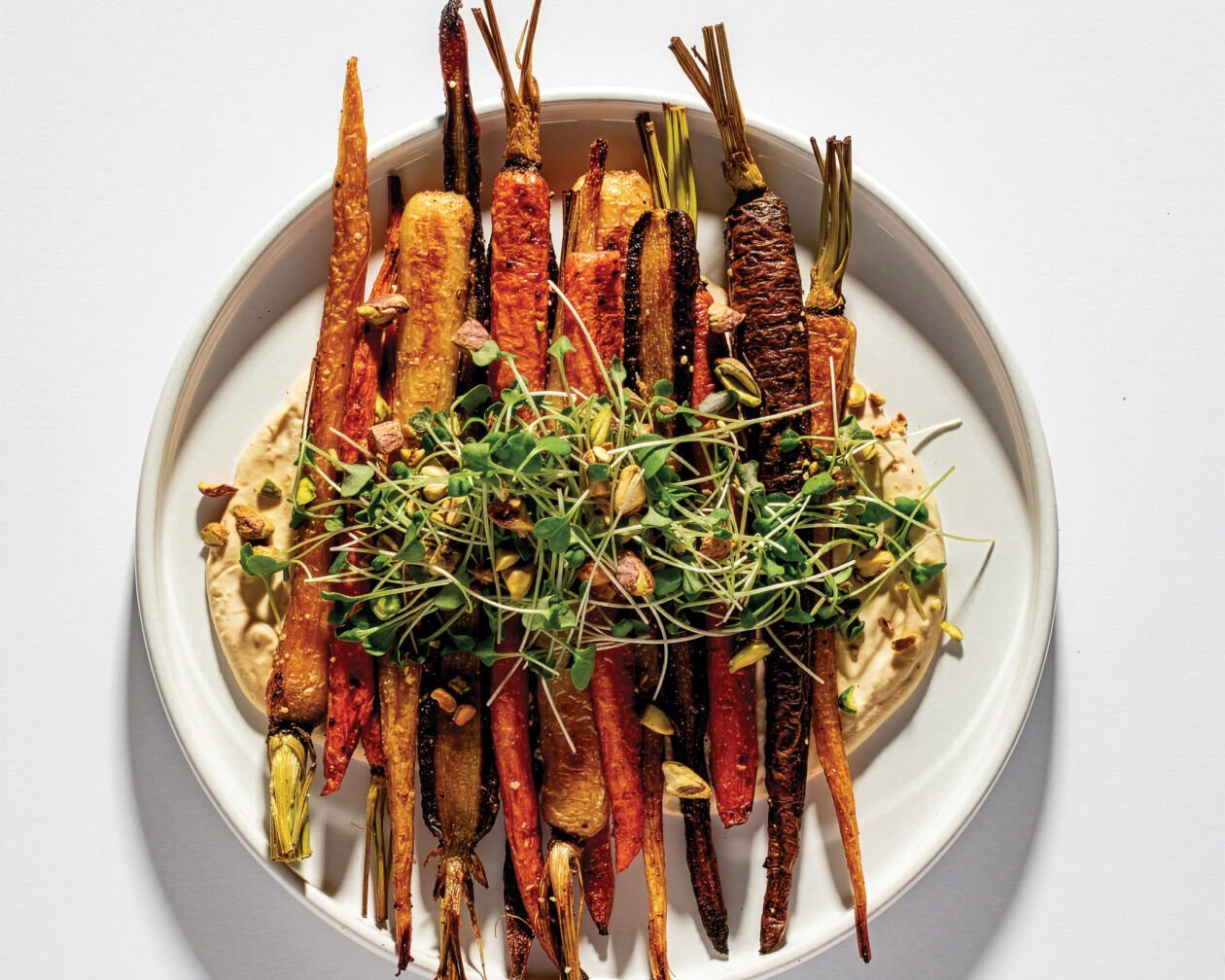
Seasonal eating is often spoken about now as a more considered way to eat, but for many people it will feel deeply familiar. You bought what was good, what was available, and what suited the time of year. Strawberries belonged to summer, asparagus had a short season, and oranges came into their own in winter. What once felt ordinary is now being rediscovered as a more thoughtful way to eat. It still doesn't rely on rarity flown in from elsewhere, but on food at its absolute peak: ripe, fragrant, and tied to a particular patch of earth. The simplest way to understand the appeal is to notice how anticipation changes taste. The first oranges of winter; the first strawberries of summer; the first spring asparagus, requiring little else beyond butter, lemon, and salt. Perfect. And all representing quiet pleasure that supermarkets can't replicate with year-round sameness: when something is seasonal, it becomes an occasion. If you want to embrace seasonal eating, growing even a little of your own is the perfect shortcut.
This doesn't have to be a lifestyle overhaul (or require a big garden). A pot of mint on a balcony, salad greens in a trough, or a rosemary bush in a courtyard container will do. The point isn't quantity – it's immediacy. Snipping herbs just before you eat, or picking lemons when you need them, turns simple meals into something that feels generous.
If gardening isn't your thing, even a little home sprouting can add a fresh, nutritious touch to salads. Or, simpler still, a regular seasonal delivery box is an easy way to keep in step with the season. Shopping is where seasonal eating becomes a habit rather than a theory. Farmers' markets make it obvious: you buy what's abundant, because it's what's good. You can ask how something was grown, how to store it, or how the producer cooks with it at home. But you also don't need to travel specifically to a fresh produce market on the outskirts of town to eat this way. In the local supermarket, make two checks before you add something to your basket: origin and timing.
If you've ever paid top dollar for berries that look perfect but taste flat, you already know the problem with out-of-season produce – appearance travels better than aroma. In-season fruit and vegetables don't just cost less because they're in abundance; they also taste better because they've had time to ripen properly. Choosing New Zealand-grown produce in season usually means shorter travel, fresher flavour, and more of your money reaching the people who grew it. Seasonal eating can support wellbeing in simple ways too, bringing a sense of rhythm to the table and encouraging the kind of freshness that supports energy, good digestion, and the pleasure of feeling well enough to get on with the things you enjoy. In that sense, its value lies not in novelty, but in paying attention – to what grows here, to what tastes best now, and to the small pleasures that are worth waiting for.
A few simple ways to eat with the season
1. Shop the peak
Choose two fruits and two vegetables that are clearly abundant right now and make them your dinner defaults.
2. Cook once, eat twice (or four times)
Roast a tray of seasonal veg or simmer a pot of soup, then portion and freeze for easy lunches and low-effort dinners.
3. Keep a few seasonal pairings in mind
Butter plus lemon for spring greens; olive oil plus basil for summer tomatoes; miso or stock for winter brassicas; cumin and yoghurt for autumn squash; citrus and olive oil for bright winter salads.
4. If you want to start small…
Herbs, a few salad greens, or even some home sprouting can be enough to bring a bit of the season into everyday meals.
5. Make it an occasion
When the first-of-the-season arrives, plan one easy meal (or a grazing platter) that lets it shine. Perfect for a quiet midweek dinner or entertaining visitors.